


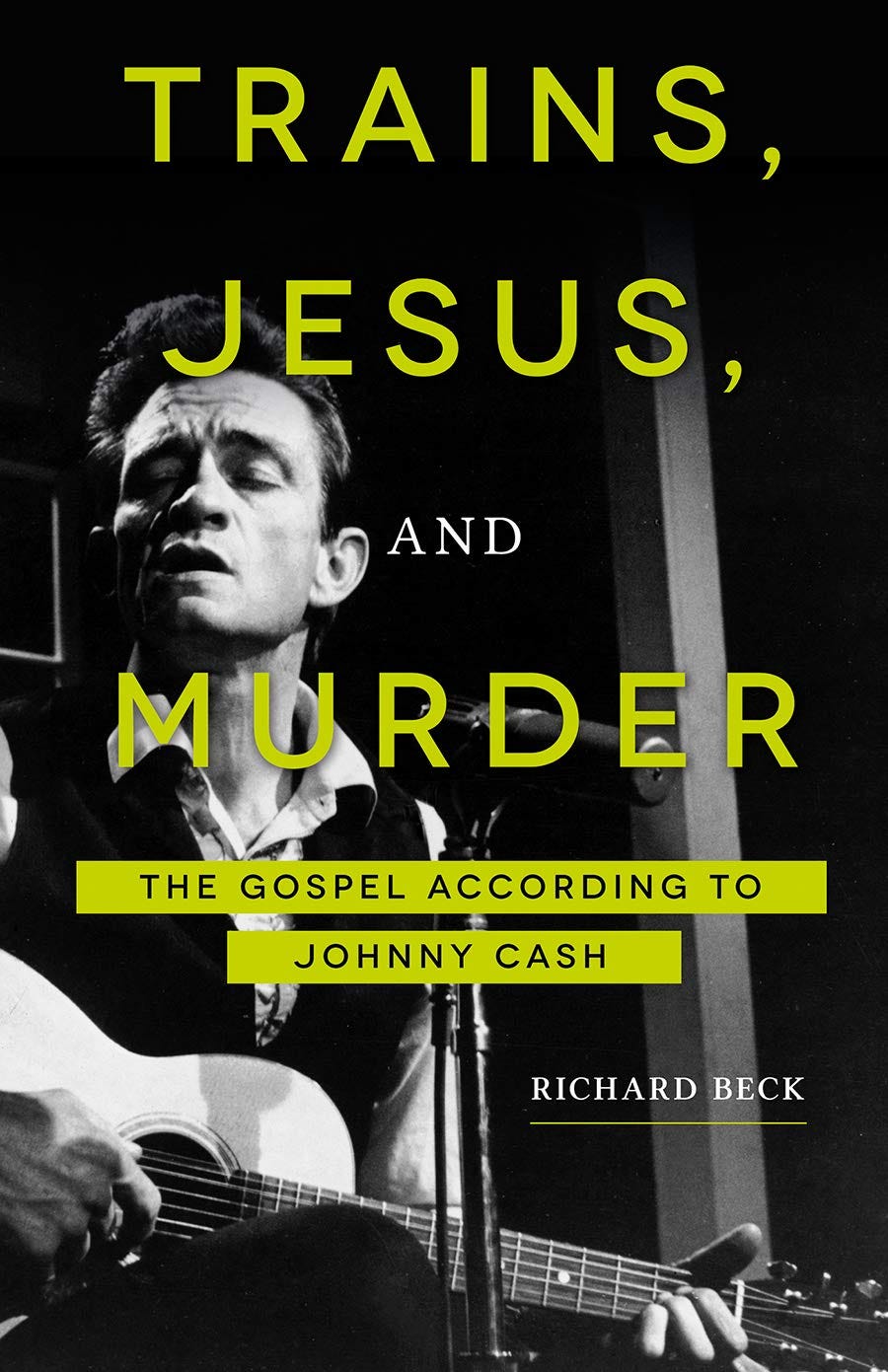
This book review was published in The Living Church in February 2020.
In 2010, I was called to serve St. Joseph of Arimathea in Hendersonville Tennessee. The church sits at the corner of Country Club Drive and East Main Street. But that stretch of Tennessee 31E has another name in Hendersonville: Johnny Cash Parkway. Cash was a storied resident of the community and arguably his fame has spread — or at least deepened — since his death in 2003. By the time I moved to Hendersonville, his grave, which is six tenths of a mile from the church, had become a pilgrimage site for many people, remarkably for some from Germany and Eastern Europe, as well as others.
I’ve been a fan of Cash since I picked up American II: Unchained in my senior year of high school. Over the years it’s been intriguing to see the staying power of his music. I’ve observed younger people find their way to it, as I did, and then work their way backwards in his catalogue. You never know who’ll say “I love Johnny Cash.”
In Trains, Jesus, and Murder: The Gospel According to Johnny Cash Richard Beck reflects on what makes Cash’s music enduring, but more specifically, how his music embodies and furthers a particular understanding of the gospel. Beck, a professor of psychology at Abilene Christian University who also studies and writes theology, finds Cash’s gospel faithful, attractive, and relevant for people today.
{Read it all}